
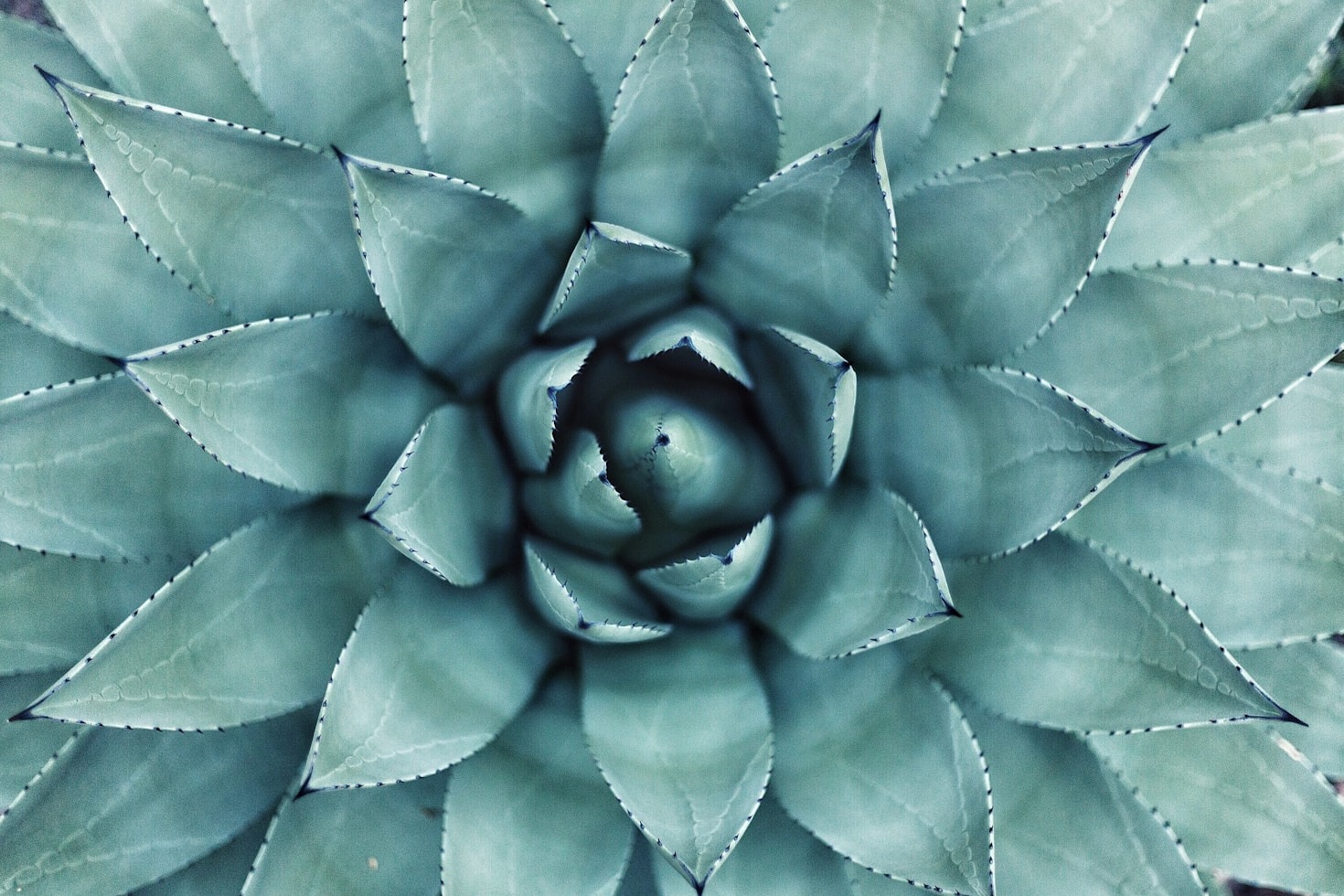
In a world where many of us spend the majority of our time inside—working, resting, or unwinding—bringing nature into our indoor spaces has become more than just a design choice. It’s a wellness strategy. Surrounding yourself with natural elements can nurture calm, restore energy, and make your home feel like a sanctuary in even the busiest seasons of life. From indoor plants to natural textures and soft, earth-toned aesthetics, nature has a remarkable ability to support your emotional and physical wellbeing.
One of the simplest ways to harness the power of nature indoors is through biophilic design—the practice of adding natural elements to interior spaces to improve mood and comfort.
Biophilic design can be as effortless as introducing houseplants, which refresh the air and create a sense of vitality. Even a single leafy plant on a windowsill can evoke feelings of openness, growth, and life. Larger additions, like potted palms, trailing vines, or indoor trees, can transform a room into a calming retreat that softens harsh edges and brings balance back to your environment.
Natural light also plays a crucial role in indoor wellness. Opening blinds in the morning, arranging your workspace near a window, or choosing sheer curtains can help bring more sunlight into your day. Natural light gently supports your circadian rhythm, boosts energy, and enhances your overall sense of wellbeing. If natural light is limited, warm-toned, soft lighting can mimic the gentle glow of the outdoors and create a comforting atmosphere.


Beyond plants and lighting, incorporating natural materials—like wood, stone, clay, linen, and cotton—brings texture and depth to your home. These organic materials have a grounding effect, making your space feel more serene and lived-in. A wooden coffee table, a woven basket, or linen bedding can shift the energetic feel of a room from sterile to soothing.
Scent is another powerful way to invite nature inside. Essential oil diffusers with eucalyptus, lavender, or citrus can instantly refresh your mindset and connect you to the sensory experience of the natural world. Pairing these scents with soft greenery or earthy décor strengthens this effect.
Finally, consider creating dedicated pockets of nature-inspired calm—like a reading nook with plants, a meditation corner with natural textures, or a small indoor herb garden in your kitchen.
Harnessing nature indoors isn’t about perfection; it’s about creating small, intentional moments of calm. With just a few thoughtful additions, your home can become a nurturing environment that supports your overall wellness journey every single day.
Checklist: How to Create a Nature-Inspired Space Indoors
In this concluding paragraph, summarize the key takeaways from your article, reinforcing the most important ideas discussed. Encourage readers to reflect on the insights shared, or offer actionable advice they can apply in their own lives. This is your chance to leave a lasting impression, so make sure your closing thoughts are impactful and memorable. A strong conclusion not only ties the article together but also inspires readers to engage further.
Leave a Reply